The Week in Alt Fuels: The price of plugging in
Shore power promises cleaner air at ports and lower emissions at berth. But from Europe to China to the US, different pricing models make the cost of plugging in far less straightforward than it sounds.
 IMAGE: Shore power connections for tankers in the Swedish Port of Gothenburg. Port of Gothenburg
Shore power sounds simple. Ships plug into the grid and switch off their auxiliary engines, cutting emissions at berth. But the electricity bill is another story.
Ports typically purchase electricity through commercial supply arrangements. Their bills can include electricity consumption, grid access charges, charges for maximum power capacity and applicable taxes. Infrastructure costs can add to the final price.
And with ports around the world using different pricing models, ships can end up paying different tariffs depending on where they plug in.
Different ports, different bills
Electricity accounts for 80–85% of shore power connection costs at Portsmouth, according to the port authority.
Commercial electricity prices in the UK averaged 25.1 pence per kilowatt-hour (p/kWh), or $0.33/kWh, in late 2025, higher than 16.8p/kWh ($0.22/kWh) in Germany and 10.6p/kWh ($0.14/kWh) in France, according to Rhona Macdonald, senior sustainability advisor at the British Ports Association.
Portsmouth International Port director Mike Sellers warned that high electricity costs can make plugging in more expensive than generating electricity onboard using conventional fuels.
Grid-based electricity complicates the equation further, with network charges, policy costs and taxes adding to the cost, Macdonald said.
An August consultation report from the UK Department for Transport drew on responses from port operators representing 58 ports and highlighted the costs of maintaining grid capacity.
One respondent estimated annual standing charges of £157,000-414,000 ($208,000-548,000) for shore power systems requiring 1.5-4 megawatts. Transmission charges ranged from £47,000-120,000 ($62,000-159,000), depending on capacity.
The Port of Los Angeles follows a different pricing arrangement. The LA Harbor Department sought approval in June to renew a three-year agreement with the LA Department of Water and Power.
Under the agreement, vessels would receive electricity through a dedicated Alternative Maritime Power tariff rather than a general commercial electricity tariff.
Shenzhen follows another model.
A 2025 policy explanation from its transport authorities states that shore power charges comprise two components: electricity priced under government pricing policies and a separate service fee set by port operators.
Official data published in November 2025 put average commercial electricity prices at CNY 0.77/kWh ($0.12/kWh) under single-part tariffs and CNY 0.76/kWh ($0.11/kWh) under two-part tariffs for January-August 2025.
A port operator buying electricity in Shenzhen would generally fall within the commercial electricity system, but the applicable tariff depends on its supply arrangement. The official policy explanation does not specify a standard shore power electricity rate or the service fees set by individual operators.
Several European ports publish shore power tariffs, although prices vary considerably.
According to shore power provider Connect4Shore, rates at Zaanstad in the Netherlands range from €0.32/kWh ($0.36/kWh) for inland vessels to €0.65/kWh ($0.73/kWh) for river cruise vessels.
Rotterdam's published rate is €0.38/kWh ($0.43/kWh), including VAT.
In Belgium, Antwerp's rate is €0.28/kWh ($0.31/kWh), excluding VAT. Hamburg in Germany is listed at €0.42/kWh ($0.47/kWh), including VAT, according to the provider.
Connect4Shore specifies separate rates for inland vessels and river cruises at some locations, but does not identify the vessel categories covered by every published tariff.
Cost of inconsistency
Brittany Ferries' chief executive Christophe Mathieu has described shore power costs in the UK as “prohibitively” expensive, warning that installations could become redundant assets if operators choose not to use them.
While high electricity costs can discourage shore power use, differences in tariffs, service fees and pricing transparency make it difficult for ship operators to compare costs across ports.
Shore power can cut emissions at berth. But the challenge is not just making it available worldwide. It is making it commercially attractive compared with conventional fuels, despite the differences in how ports price electricity.
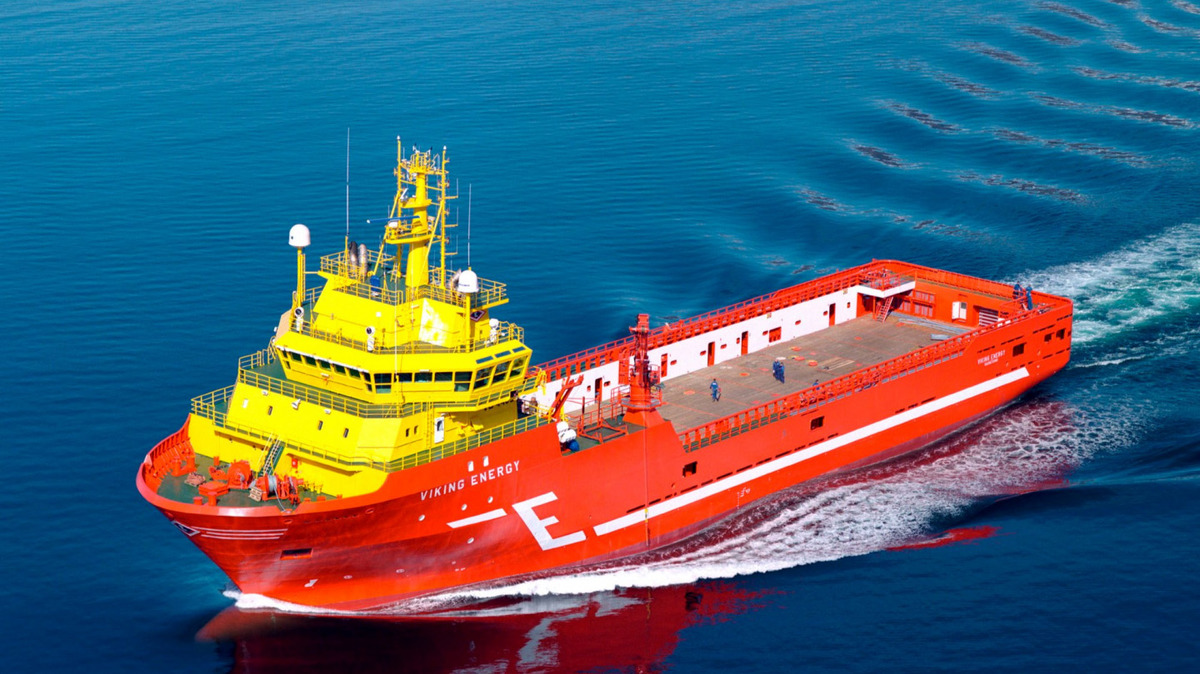
In other alt fuels news this week, Norwegian shipping company Eidesvik’s offshore platform supply vessel is scheduled to bunker 73 mt of ammonia in a trial operation later this year. Azane Fuel will supply the stem.
Bunker supplier Peninsula completed its first LNG bunkering at the Port of Sagunto in Spain, by delivering an unspecified quantity of the fuel to a Kawasaki Kisen Kaisha (K-Line) vessel.
German shipping firm Hapag-Lloyd bunkered one of its dual-fuel vessels with an unspecified quantity of bio-methanol at the Port of Busan in South Korea.
By Konica Bhatt
Please get in touch with comments or additional info to news@engine.online